

What is modular office furniture?
Is your office furniture holding your business back? Rigid desks, bulky storage units, and fixed layouts can stifle collaboration, limit productivity, and make it harder to adapt as your team’s needs change. That’s where modular office furniture comes in. In this guide, we’ll get a better understanding of modular office furniture, what it brings to modern workplaces, and how to choose the right setup for your business.
What does modular furniture mean?
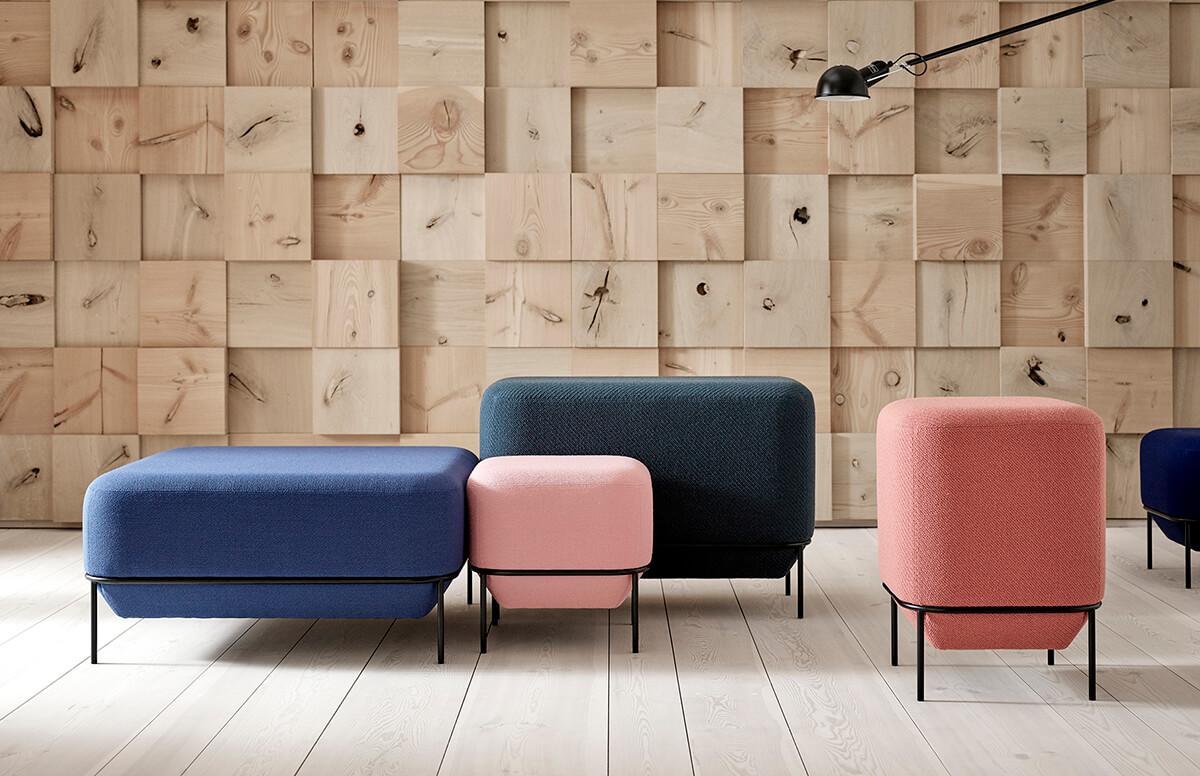
Modular office furniture is made up of interchangeable components that can be reconfigured, rearranged, and scaled to suit different office layouts. This approach lets businesses adapt their workspace to changing needs without replacing entire setups. Modular office furniture is known for its flexibility for different team sizes, projects, and events. It’s also highly scalable, so you can add or remove components as your business changes and grows.
Examples of modular office furniture
- Desks: Modular desks, height-adjustable desks, movable desks, and reconfigurable cantilever desks for ergonomic and space-efficient setups.
- Seating: Modular seating, sectional sofas, and ergonomic task armchairs for reception areas, meeting rooms, and collaborative spaces.
- Storage: Storage units, mobile storage, modular office screens, metal filing cabinets, and cable management systems for organised, clutter-free workstations.

What are the benefits of modular office furniture?
From physical well-being to cost-effectiveness, there are several benefits to modular office furniture, including:
1. Flexible layouts and space use
Modular office furniture supports a number of different office setups, including breakout areas and private meeting zones, without needing to pay out for expensive renovations or permanent construction.
2. Supports modern working styles
Designed for hybrid work models, coworking spaces, and collaborative workspaces, modular setups make it easy to adapt for both remote workers and in-office teams.
3. Cost-effective and scalable
By being able to add, remove, or change components, modular office furniture reduces the need to completely replace your current furniture. This is especially helpful for businesses planning any future purchases or office relocations.
4. Physical and mental well-being
Modular office furniture, like height-adjustable sit-stand desks, can support posture and comfort better, leading to a healthier, more productive workforce.
How do you choose the right modular office furniture?
Choosing the right modular office furniture is all about understanding how your space works, then finding the best solutions that help your team work smarter and perform at its best.
- Figure out your office needs
What is your current office layout and space? How many employees will use the furniture, and what types of tasks will they perform? This will guide everything else going forward.
- Keep adaptability in mind
Consider reconfigurable desks that can be linked together for team projects and separated into individual workstations. The same can be done for modular seating too, rearranging it into sofas, individual chairs, or focus pods.
- Don’t forget storage and organisation
Office storage units and cable management systems help keep the workspace tidy and efficient. You can also stack or rearrange modular storage cubes to fit different office layouts and changing team needs.
- Consider comfort and ergonomics
Ergonomic task armchairs with adjustable lumbar support can encourage healthy posture, and height-adjustable desks let your staff switch between sitting and standing. Similarly, corner desks maximise workspace without crowding.
- Think about style and brand identity
Finally, your overall office furniture should reflect your company’s personality and values. If you have a modern office, you might benefit from sleek modular desks with clean lines and minimal finishes. If you have a creative business, vibrant breakout areas with sectional sofas and bold upholstery may do best.

Transform your office with DBI Furniture Solutions
If modular office furniture is what your workspace needs, DBI is here to help. Our expert team has decades of experience in transforming offices, and we work with leading brands such as Senator, Identity, and Allermuir to deliver high-quality, long-lasting solutions. With our designs, your office will look and perform at its best for years to come. Explore our recent projects or book your free consultation with our office designers today.
Modular office FAQs
What is the difference between modular and normal furniture?
The main difference between modular and normal furniture is its flexibility and adaptability. Modular office furniture is made from interchangeable components that can be reconfigured or expanded to suit changing office layouts. Normal office furniture is usually fixed in design and size, making it harder to adapt when your workspace or team needs change.
Are there other names for modular office furniture?
Modular office furniture can also be referred to as ‘configurable furniture’ or ‘adaptable furniture’. Depending on the supplier, you may also see terms like ‘scalable solutions’ being used. All of these refer to furniture systems designed to be rearranged, expanded, or adapted.
What’s the difference between modular and fitted furniture?
Modular office furniture is designed to be movable and reconfigurable, and can give you freedom to change layouts, add new components, or relocate items/equipment more easily. Fitted furniture is built into a specific space and generally can’t be moved or adapted. While this brings a more seamless look, modular furniture offers better flexibility and is more suited for hybrid work offices that may need to be changed around more often.